
Research
My long-term objective is to discover new drugs for treating addiction to drugs of abuse and alcohol. Currently, there are few FDA approved drugs for treating these diseases and more are greatly needed. Many of the neurotransmitters in the drug-reward pathway exert their effects by activating G protein-coupled receptors, which, in turn, communicate with specific G proteins and affect down-stream signaling pathways. One of the down-stream targets is the G protein-gated inwardly rectifying potassium (GIRK) channel, which we study in my laboratory. By controlling the membrane excitability of neurons, GIRK channels provide a fundamental source of neuromodulatory inhibition in the brain. My laboratory has been addressing fundamental questions concerning the function of GIRK channels in the brain, taking a broad approach of combining structural biology, biochemistry, electrophysiology and behavior. We have contributed significant work on the mechanism underlying G protein-regulation and gating of GIRK channels, provided evidence for the assembly of GIRK channels in macromolecular signaling complexes, and identified novel proteins that regulate GIRK channels. More recently, we have elucidated the subcellular mechanisms underlying the neuroplastic changes in GIRK channel signaling with drugs of abuse and alcohol.

Contact Us
Principal Investigator
Paul A. Slesinger, PhD
Lillian and Henry M. Stratton Professor of Neuroscience
Departments of Neuroscience and Pharmacology
Director, Center for Neurotechnology & Behavior
Senior Associate Dean for Student and Postdoctoral Affairs
Areas of Research
Molecular studies of GIRK channels and Alcohol
The alcoholic beverages we consume contain ethanol. Alcohol consumptions can lead to dependence, and eventually alcohol use disorder (AUD). Ethanol produces complex effects on the body, primarily through its interactions within the central nervous system. How ethanol alters neuronal circuits in the brain and causes AUD is poorly understood. Unlike drugs of abuse, ethanol produces a wide range of pharmacological effects on the nervous system, ranging from anxiolytic to intoxication, and has a number of different targets in the brain. One of the targets for ethanol is GIRK channels. GIRK channels are G protein-activated potassium channels that control the excitability of neurons. We are investigating the structural mechanism underlying alcohol-dependent activation of GIRK channels and the role of these channels in alcohol-related behaviors. We are taking an innovative approach of using structural biology to guide screening and selection of novel therapeutics, and validating drug effects with ex vivo and in vivo systems. We recently identified and characterized a new GIRK modulator, called GiGA1. We are also using cryoEM to study the structural mechanism underlying activation of GIRK channels and GABA(B) receptors by different ligands.
For topical reviews, see Lüscher and Slesinger (2010) Nat Rev Neurosci & Glaaser and Slesinger (2015) International Review of Neurobiology
Drug addiction and the reward circuit
Psychostimulants, such as methamphetamine and cocaine, are highly addictive, and abused by millions of people. Recent work from our laboratory has established that drug exposure reduces slow inhibition, mediated by GABA(B) receptors that activate GIRK channels. We have delineated two different mechanisms of drug-dependent plasticity in VTA neurons. In GABA neurons, psychostimulant-dependent depression of GABA(B)-GIRK currents involves de-phosphorylation of the GABA(B) R2 receptor via the protein phosphatase PP2a. In DA neurons, psychostimulant-dependent depression of GABA(B)-GIRK currents involves the GIRK3 subunit and an endosomal trafficking protein SNX27. We are currently examining the role of GIRK channels in projection specific VTA neurons using chemogenetics (i.e. DREADDs), and searching for new GIRK regulatory proteins using BioID. To develop new therapeutics for treating addiction, it is essential to elucidate the components of drug-dependent plasticity in the brain and discover novel protein targets in the reward pathway.
For topical review, see Rifkin et al (2017) Trends in Pharmacological Sciences
Monitoring neuromodulator release and action in real-time
As part of the NIH Brain Initiative, our lab is actively involved in developing new innovative neurotechniques for optically dissecting the function of neuromodulators in the brain of awake animals. We have created cell-based biosensors (CNiFERs) to optically measure the release of neuropeptides in cell-specific and circuit-specific processes in the brain, in collaboration with the Kleinfeld laboratory at the Univ. of California, San Diego. CNiFERs detect nM concentrations of transmitter, have a temporal resolution of seconds, and a spatial resolution of < 100 μm. In collaboration with Qin laboratory at the Univ. of Texas at Dallas, we are developing a technique of photo-releasing peptides and other modulators in the brain with two photon precision. In combination with CNiFERs, we can begin to understand the diffusion of peptides in the brain.
For topical papers, see Muller et al (2014) Nature Methods & Xiong et al (2020) Angew Chem Int Ed
Studies of human diseases using hiPSCs
Excessive alcohol use is one of the top 10 contributors to disability worldwide, and an estimated 16 million Americans meet the criteria for alcohol use disorders (AUD). AUD is heritable (50-60%), polygenic and results from the contributions of genes and environment. We are part of a multi-institution research program, called the Collaborative Studies on the Genetics of Alcoholism (COGA), supported by the National Institute of Alcohol Abuse and Alcoholism (NIAAA). COGA’s primary goal is to identify the genes that increase or decrease the risk of alcoholism. Our laboratory is using human induced pluripotent stem cell (hiPSC)-based models to study the effect of risk genes on the functional activity of human neurons, to better understand the role of genetics in AUD.
For topical review, see Prytkova et al (2018) Alcohol Clin Exp Res.
Schizophrenia, bipolar disorder and autism are common and debilitating neurodevelopmental disorders that together affect more than 5 million Americans. Despite more than fifty years of research, no cures exist, and the standard of treatment remains unsatisfactory. Heterozygous mutations of neurexin-1 (NRXN1) have been repeatedly associated with schizophrenia (SZ) and autism spectrum disorder (ASD). In collaboration with Dr. Brennand, we are investigating how NRXN1+/- deletions perturb the NRXN1 isoform repertoire and impact neuronal maturation and synaptic function, using experimental manipulations of control and NRXN1+/- patient-derived excitatory and inhibitory neurons.
For topical review, see Fernando et al (2020) Nat Genet.
Selected Publications
2025
2024
2023
Xiong, H., Alberto, K.A., Youn, J., Taura, J., Morstein, J., Li, X., Wang, Y., Trauner, D., Slesinger, P.A., Nielsen, S.O., and Qin, Z. (2023). Optical control of neuronal activities with photoswitchable nanovesicles. Nano Res 16, 1033-1041.
Prytkova, I.A., Liu, Y., Fernando, M.B., Gameiro-Ros, I., Popova, D., Kamarajan, C., Xuei, X., Chorlian, D.B., Edenberg, H.J., Tischfield, J.A., Porjesz, B., Pang, Z.P., Hart, R.P., Goate, A.M., and Slesinger, P.A. (2023). Upregulated GIRK2 counteracts ethanol-induced changes in excitability and respiration in human neurons. bioRxiv.
Popova, D., Gameiro-Ros, I., Youssef, M.M., Zalamea, P., Morris, A.D., Prytkova, I., Jadali, A., Kwan, K.Y., Kamarajan, C., Salvatore, J.E., Xuei, X., Chorlian, D.B., Porjesz, B., Kuperman, S., Dick, D.M., Goate, A., Edenberg, H.J., Tischfield, J.A., Pang, Z.P., Slesinger, P.A., and Hart, R.P. (2023). Alcohol reverses the effects of KCNJ6 (GIRK2) noncoding variants on excitability of human glutamatergic neurons. Mol Psychiatry 28, 746-758.
2012 - 2022
2022
Xiong H, Lacin E, Ouyang H, Naik A, Xu X, Xie C, Youn J, Wilson BA, Kumar K, Kern T, Aisenberg E, Kircher D, Li X, Zasadzinski JA, Mateo C, Kleinfeld D, Hrabetova S, Slesinger PA, Qin Z. (2022). Probing Neuropeptide Volume Transmission In Vivo by Simultaneous Near-Infrared Light Triggered Release and Optical Sensing. Angew Chem Int Ed Engl. 2022 Jun 20. doi: 10.1002/anie.202206122. PMID: 35723610
2021
Zhao Y, Gameiro-Ros I, Glaaser IW, Slesinger PA (2021) Advances in Targeting GIRK Channels in Disease. Trends Pharmacol Sci. 2021 Jan 16:S0165-6147(20)30283-2. doi: 10.1016/j.tips.2020.12.002. PMID: 33468322; PMCID: in progress
Li X, Slesinger PA (2021) GABAB Receptors and Drug Addiction: Psychostimulants and Other Drugs of Abuse.Curr Top Behav Neurosci. 2021 Jan 14. doi: 10.1007/7854_2020_187.
Taura, J., Kircher, D.M., Gameiro-Ros, I., and Slesinger, P.A. (2021). Comparison of K(+) Channel Families. Handb Exp Pharmacol 267, 1-49. https://doi.org/10.1007/164_2021_460
Foo C, Lozada A, Aljadeff J, Li Y, Wang JW, Slesinger PA, and Kleinfeld D (2021) Reinforcement learning links spontaneous cortical dopamine impulses to reward. Current Biology Jul 16:S0960-9822(21)00898-8. doi: 10.1016/j.cub.2021.06.069. PMID: 34302743
Powell, S.K., O’Shea, C., Townsley, K., Prytkova, I., Dobrindt, K., Elahi, R., Iskhakova, M., Lambert, T., Valada, A., Liao, W., Ho, S.M., Slesinger, P.A., Huckins, L.M., Akbarian, S., and Brennand, K.J. (2021). Induction of dopaminergic neurons for neuronal subtype-specific modeling of psychiatric disease risk. Mol Psychiatry. doi: 10.1038/s41380-021-01273-0.
Karlsson Linner, R., Mallard, T.T., Barr, P.B., Sanchez-Roige, S., Madole, J.W., Driver, M.N., Poore, H.E., de Vlaming, R., Grotzinger, A.D., Tielbeek, J.J., Johnson, E.C., Liu, M., Rosenthal, S.B., Ideker, T., Zhou, H., Kember, R.L., Pasman, J.A., Verweij, K.J.H., Liu, D.J., Vrieze, S., Collaborators, C., Kranzler, H.R., Gelernter, J., Harris, K.M., Tucker-Drob, E.M., Waldman, I.D., Palmer, A.A., Harden, K.P., Koellinger, P.D., and Dick, D.M. (2021). Multivariate analysis of 1.5 million people identifies genetic associations with traits related to self-regulation and addiction. Nat Neurosci 24, 1367-1376.
Kapoor, M., Chao, M.J., Johnson, E.C., Novikova, G., Lai, D., Meyers, J.L., Schulman, J., Nurnberger, J.I., Jr., Porjesz, B., Liu, Y., Collaborative Study on the Genetics of, A., Foroud, T., Edenberg, H.J., Marcora, E., Agrawal, A., and Goate, A. (2021). Multi-omics integration analysis identifies novel genes for alcoholism with potential overlap with neurodegenerative diseases. Nat Commun 12, 5071. doi: 10.1038/s41467-021-25392-y.
Li, X., Xiong, H., Rommelfanger, N., Xu, X., Youn, J., Slesinger, P.A., Hong, G., and Qin, Z. (2021). Nanotransducers for Wireless Neuromodulation. Matter 4, 1484-1510.
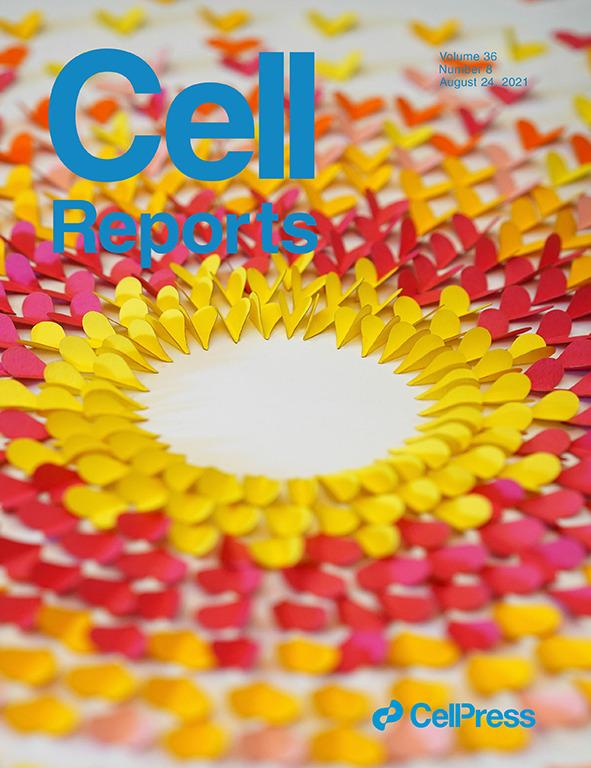
Mathiharan YK, Glaaser IW, Zhao Y, Robertson MJ, Skiniotis G, Slesinger PA. (2021) Structural insights into GIRK2 channel modulation by cholesterol and PIP2. Cell Rep. 2021 Aug 24;36(8):109619. doi: 10.1016/j.celrep.2021.109619. PMID: 34433062
2020
Barretto N, Fernando MB, Powell S, Zhang H, Zhang S, Flaherty EK, Ho SM, Slesinger PA, Duan J, Brennand KJ (2020) ASCL1- and DLX2-induced GABAergic interneurons from hiPSC-derived NPCs. J Neurosci Methods. 2020 334:108548. doi: 10.1016/j.jneumeth.2019.108548.
Li X, Terunuma M, Deeb TG, Wiseman X, Pangalos MN, Nairn AC, Moss SJ and Slesinger PA. (2020) Direct interaction of PP2A phosphatase with GABAB receptors alters functional signaling. J Neurosci. 2020 Feb 26. pii: 2654-19. doi: 10.1523/JNEUROSCI.2654-19.2020
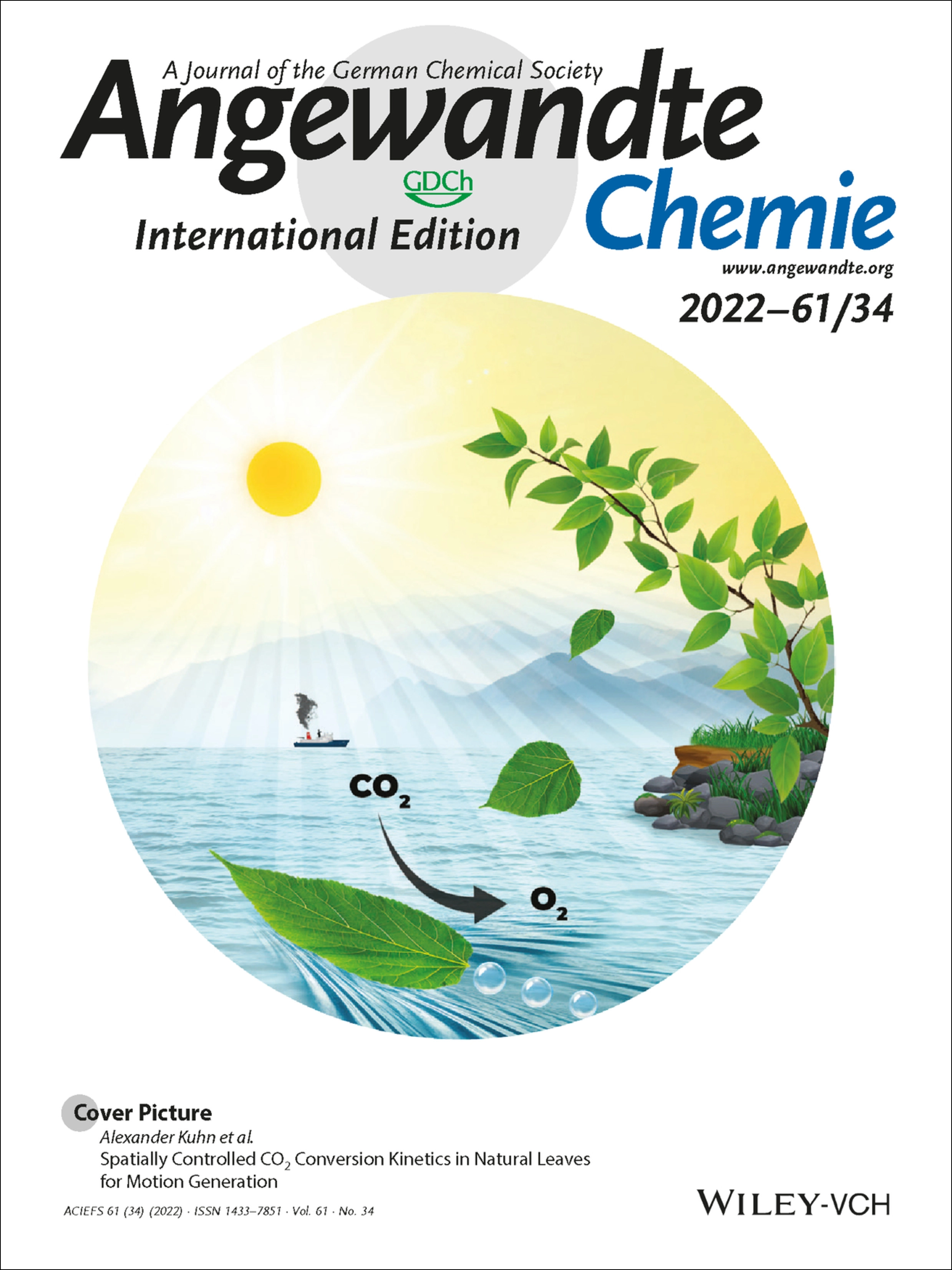
Xiong H, Li X, Kang P, Perish J, Neuhaus F, Ploski JE, Kroener S, Ogunyankin MO, Shin JE, Zasadzinski JA, Wang H, Slesinger PA, Zumbuehl A, Qin Z. Near-infrared Light Triggered-release in Deep Brain Regions Using Ultra-photosensitive Nanovesicles. Angew Chem Int Ed Engl. 2020 Mar 2. doi: 10.1002/anie.201915296
Park J, Fu ZJ, Frangaj, Liu J, Mosyak L, Shen T, Slavkovich VN, Ray KM, Cao B, Geng Y, Zuo H, Kou Y, Grassucci R, Chen S, Liu Z, Rice W, Eng E, Huang RK, Soni RK, Kloss B, Yu Z, Potter C, Carragher BO, Slesinger PA, Hendrickson WA, Quick M, Graziano J, Yu H, Fiehn O, Henderson R, Clarke OB, Frank J, Fan QR (2020) Cryo-EM structure of human GABAB G protein-coupled receptor. Nature. 2020 Jun 24. doi: 10.1038/s41586-020-2452-0. PMID: 32581365
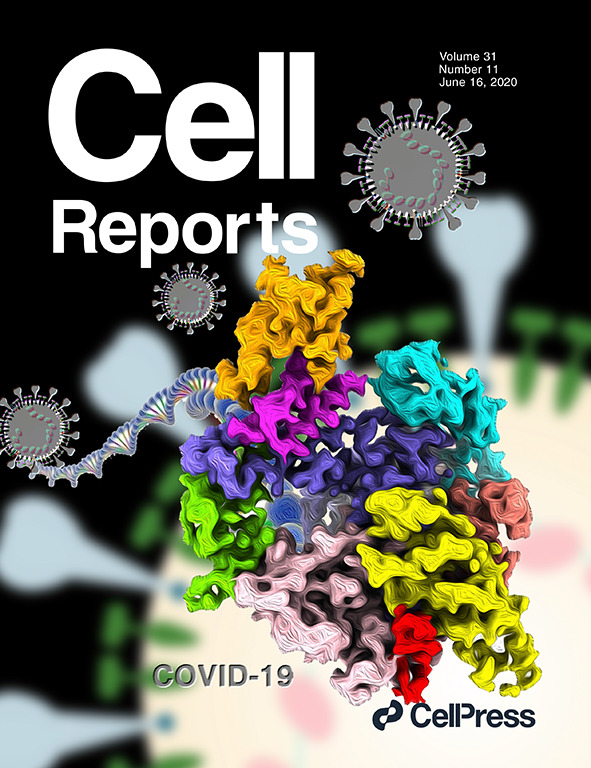
Zhao Y, Ung PMU, Zahoranszky-Kohalmi G, Zakharov A, Martinez N, Simeonov A, Glaaser IW, Bantukallu G, Schlessinger A, Marugan JJ, Slesinger PA (2020) Discovery of a G protein-independent activator (GiGA1) of GIRK channels. Cell Rep. 2020 Jun 16;31(11):107770. doi: 10.1016/j.celrep.2020.107770. PMID: 32553165
Mathiharan YK, Glaaser IW, Zhao Y, Robertson MJ, Skiniotis G, Slesinger PA (2020) Structural basis of GIRK2 channel modulation by cholesterol and PIP2. BioRxiv 2020.06.04.134544; doi: https://doi.org/10.1101/2020.06.04.134544
2019
Kircher DM, Lacin ME, Kleinfeld D and Slesinger PA (2019) CNiFERs: cell-based biosensors with nanomolar sensitivity to in vivo changes in neuromodulation. Chapter 2 in Compendium of In Vivo Monitoring in Real-Time Molecular Neuroscience. https://doi.org/10.1142/9789811206238_0002
_______________________________________________________________________________________________________________
Zuo H, Glaaser IW, Zhao Y, Kurinov I, Mosyak L, Wang H, Liu J, Park J, Frangaj A, Sturchler E, Zhou M, McDonald P, Geng Y, Slesinger PA, and Fan QR (2019) Structural basis for auxiliary subunit KCTD16 regulation of the GABAB receptor. Proc Natl Acad Sci USA 116(17):8370-8379. doi: 10.1073/pnas.1903024116. PMID: 30971491 PMCID: PMC6486783
2018
GIRK currents in VTA dopamine neurons control the sensitivity of mice to cocaine-induced locomotor sensitization
Rifkin RA, Huyghe D, Li X, Parakala M, Aisenberg E, Moss SJ and Slesinger PA (2018). Proc Natl Acad Sci U S A. 2018 Oct 2;115(40):E9479-E9488. doi: 10.1073/pnas.1807788115. Epub 2018 Sep 18. PMID: 30228121
Genetics of Alcohol Use Disorder: A Role for Induced Pluripotent Stem Cells?
Prytkova I, Goate A, Hart RP, Slesinger PA.
Alcohol Clin Exp Res. 2018 Jun 13. doi: 10.1111/acer.13811. [Epub ahead of print] Review.
PMID: 29897633
Gain-of-function KCNJ6 Mutation in a Severe Hyperkinetic Movement Disorder Phenotype.
Horvath GA, Zhao Y, Tarailo-Graovac M, Boelman C, Gill H, Shyr C, Lee J, Blydt-Hansen I, Drögemöller BI, Moreland J, Ross CJ, Wasserman WW, Masotti A, Slesinger PA, van Karnebeek CDM.
Neuroscience. 2018 Aug 1;384:152-164. doi: 10.1016/j.neuroscience.2018.05.031. Epub 2018 May 29.
PMID: 29852244
2017
THE CONCISE GUIDE TO PHARMACOLOGY 2017/18: Overview.
Alexander SP, Kelly E, Marrion NV, Peters JA, Faccenda E, Harding SD, Pawson AJ, Sharman JL, Southan C, Buneman OP, Cidlowski JA, Christopoulos A, Davenport AP, Fabbro D, Spedding M, Striessnig J, Davies JA; CGTP Collaborators.
Br J Pharmacol. 2017 Dec;174 Suppl 1:S1-S16. doi: 10.1111/bph.13882.
PMID: 29055037
An Efficient Platform for Astrocyte Differentiation from Human Induced Pluripotent Stem Cells.
Tcw J, Wang M, Pimenova AA, Bowles KR, Hartley BJ, Lacin E, Machlovi SI, Abdelaal R, Karch CM, Phatnani H, Slesinger PA, Zhang B, Goate AM, Brennand KJ.
Stem Cell Reports. 2017 Aug 8;9(2):600-614. doi: 10.1016/j.stemcr.2017.06.018. Epub 2017 Jul 27.
PMID: 28757165
Dynamic role of the tether helix in PIP2-dependent gating of a G protein-gated potassium channel.
Lacin E, Aryal P, Glaaser IW, Bodhinathan K, Tsai E, Marsh N, Tucker SJ, Sansom MSP, Slesinger PA.
J Gen Physiol. 2017 Jul 18. pii: jgp.201711801. doi: 10.1085/jgp.201711801. [Epub ahead of print]
PMID: 28720589
Dual activation of neuronal G protein-gated inwardly rectifying potassium (GIRK) channels by cholesterol and alcohol.
Glaaser IW, Slesinger PA.
Sci Rep. 2017 Jul 4;7(1):4592. doi: 10.1038/s41598-017-04681-x.
PMID: 28676630
G Protein-Gated Potassium Channels: A Link to Drug Addiction.
Rifkin RA, Moss SJ, Slesinger PA.
Trends Pharmacol Sci. 2017 Apr;38(4):378-392. doi: 10.1016/j.tips.2017.01.007. Epub 2017 Feb 7. Review.
PMID: 28188005
2016
Construction of Cell-based Neurotransmitter Fluorescent Engineered Reporters (CNiFERs) for Optical Detection of Neurotransmitters In Vivo.
Lacin E, Muller A, Fernando M, Kleinfeld D, Slesinger PA.
J Vis Exp. 2016 May 12;(111). doi: 10.3791/53290.
PMID: 27214050
A Role for the GIRK3 Subunit in Methamphetamine-Induced Attenuation of GABAB Receptor-Activated GIRK Currents in VTA Dopamine Neurons.
Munoz MB, Padgett CL, Rifkin R, Terunuma M, Wickman K, Contet C, Moss SJ, Slesinger PA.
J Neurosci. 2016 Mar 16;36(11):3106-14. doi: 10.1523/JNEUROSCI.1327-15.2016.
PMID: 26985023
Rapid Ngn2-induction of excitatory neurons from hiPSC-derived neural progenitor cells.
Ho SM, Hartley BJ, Tcw J, Beaumont M, Stafford K, Slesinger PA, Brennand KJ.
Methods. 2016 May 15;101:113-24. doi: 10.1016/j.ymeth.2015.11.019. Epub 2015 Nov 25.
PMID: 26626326
A role for the GIRK3 subunit in methamphetamine-induced attenuation of GABAB receptor-activated GIRK currents in VTA dopamine neurons. Munoz MB, Padgett CL, Rifkin R, Terunuma M, Wickman K, Contet C, Moss SJ and Slesinger PA. (2016) J. Neurosci (in press)
Construction of cell-based neurotransmitter fluorescently engineered reporters (CNiFERs) for optical detection of neurotransmitters in vivo Lacin M, Muller A, Kleinfeld D and Slesinger, PA (2016) Construction of cell-based neurotransmitter fluorescently engineered reporters (CNiFERs) for optical detection of neurotransmitters in vivo. Journal of Visualized Experiments (in press).
2015
Stress and Cocaine Trigger Divergent and Cell Type-Specific Regulation of Synaptic Transmission at Single Spines in Nucleus Accumbens. Khibnik LA, Beaumont M, Doyle M, Heshmati M, Slesinger PA, Nestler EJ, Russo SJ. Biol Psychiatry. 2015 Jun 6. pii: S0006-3223(15)00471-0. doi:
GIRK3 gates activation of the mesolimbic dopaminergic pathway by ethanol. Herman MA, Sidhu H, Stouffer DG, Kreifeldt M, Le D, Cates-Gatto C, Munoz MB, Roberts AJ, Parsons LH, Roberto M, Wickman K, Slesinger PA, Contet C. Proc Natl Acad Sci USA. 2015 Jun 2;112(22):7091-6. doi: 10.1073/pnas.1416146112.
GIRK Channels Modulate Opioid-Induced Motor Activity in a Cell Type- and Subunit-Dependent Manner. Kotecki L, Hearing M, McCall NM, Marron Fernandez de Velasco E, Pravetoni M, Arora D, Victoria NC, Munoz MB, Xia Z, Slesinger PA, Weaver CD, Wickman K. J Neurosci. 2015 May 6;35(18):7131-42. doi: 10.1523/JNEUROSCI.5051-14.2015.
Chromatin landscape defined by repressive histone methylation during oligodendrocyte differentiation. Liu J, Magri L, Zhang F, Marsh NO, Albrecht S, Huynh JL, Kaur J, Kuhlmann T, Zhang W, Slesinger PA, Casaccia P. J Neurosci. 2015 Jan 7;35(1):352-65. doi: 10.1523/JNEUROSCI.2606-14.2015.
Novel mechanism of voltage-gated N-type (Cav2.2) calcium channel inhibition revealed through α-conotoxin Vc1.1 activation of the GABA(B) receptor. Huynh TG, Cuny H, Slesinger PA, Adams DJ. Mol Pharmacol. 2015 Feb;87(2):240-50. doi: 10.1124/mol.114.096156
2014
Cell-based reporters reveal in vivo dynamics of dopamine and norepinephrine release in murine cortex. Muller A, Joseph V, Slesinger PA, Kleinfeld D. Nat Methods. 2014 Dec;11(12):1245-52. doi: 10.1038/nmeth.3151. Epub 2014 Oct 26.
Sorting nexin 27 regulation of G protein-gated inwardly rectifying K⁺ channels attenuates in vivo cocaine response. Munoz MB, Slesinger PA. Neuron. 2014 May 7;82(3):659-69. doi: 10.1016/j.neuron.2014.03.011.
Firing modes of dopamine neurons drive bidirectional GIRK channel plasticity. Lalive AL, Munoz MB, Bellone C, Slesinger PA, Lüscher C, Tan KR. J Neurosci. 2014 Apr 9;34(15):5107-14. doi: 10.1523/JNEUROSCI.5203-13.2014.
2013
Molecular mechanism underlying ethanol activation of G-protein-gated inwardly rectifying potassium channels. Bodhinathan K, Slesinger PA. Proc Natl Acad Sci USA. 2013 Nov 5;110(45):18309-14. doi: 10.1073/pnas.1311406110.
Ras-association domain of sorting Nexin 27 is critical for regulating expression of GIRK potassium channels. Balana B, Bahima L, Bodhinathan K, Taura JJ, Taylor NM, Nettleton MY, Ciruela F, Slesinger PA. PLoS One. 2013;8(3):e59800. doi: 10.1371/journal.pone.0059800.
2011
Methamphetamine-evoked depression of GABA(B) receptor signaling in GABA neurons of the VTA. Padgett CL, Lalive AL, Tan KR, Terunuma M, Munoz MB, Pangalos MN, Martínez-Hernández J, Watanabe M, Moss SJ, Luján R, Lüscher C, Slesinger PA. Neuron. 2012 Mar 8;73(5):978-89. doi: 10.1016/j.neuron.2011.12.031.
Featured

Meet the Team

Slesinger Lab – 2022
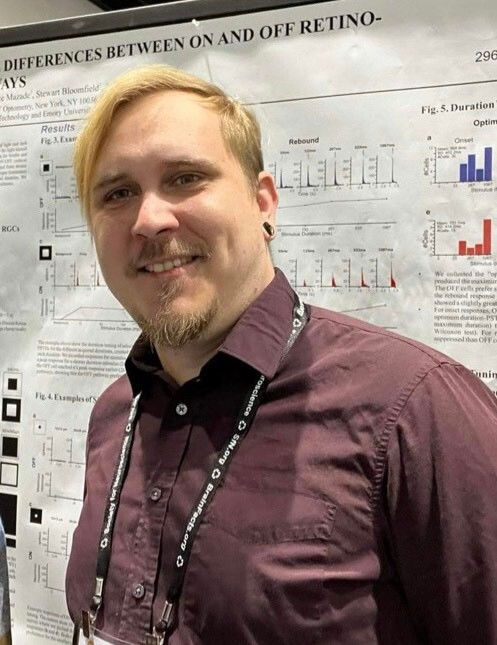
Adam Tengölics, PhD
Postdoctoral Fellow
University of Pecs, Hungary – PhD in Biology and Sport Biology
adam.tengolics@mssm.edu
Project: Investigating the impact of polygenic risks related to alcohol use disorder (AUD) on the human neuronal function using iPSC-derived excitatory neurons from unaffected individuals and AUD subjects.
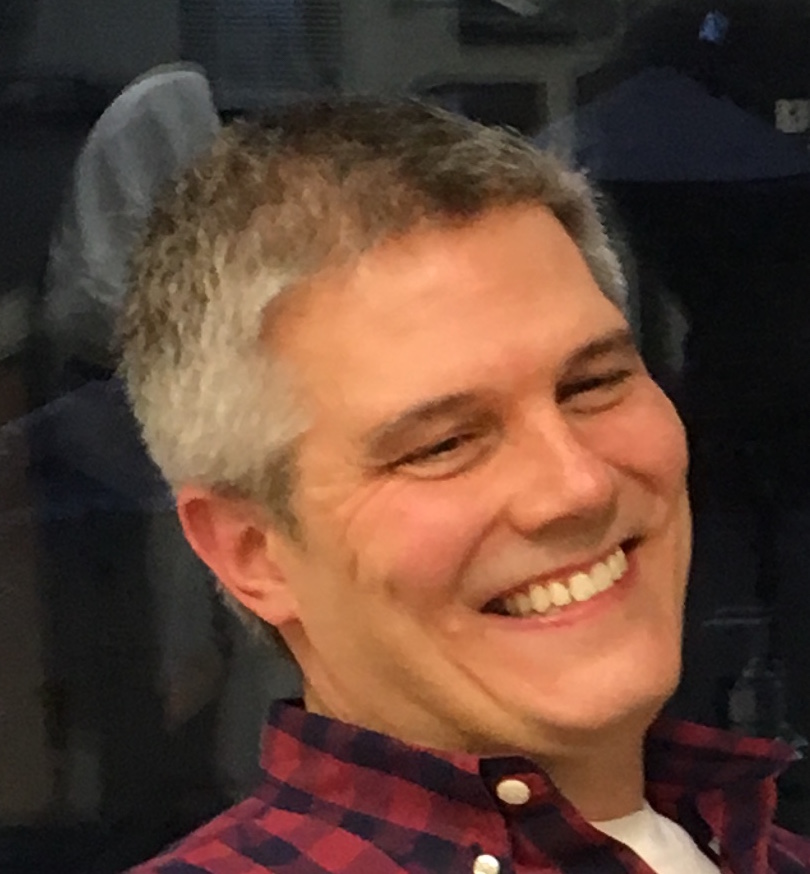
Ian W. Glaaser, PhD
Instructor
Columbia Univ: PhD in Pharmacology & Molecular Signaling
ian.glaaser@mssm.edu
Recipient of 2015 NIAAA NIH F32 postdoctoral fellowship
Project: Investigating the structural and molecular determinants of GIRK channel gating and modulation.

Ha Nguyen, BS
PhD student
Pharmacology and Therapeutics Discovery Program
hongha.nguyen@icahn.mssm.edu
Project: Investigating the structural and molecular determinants of GIRK channel gating and modulation.
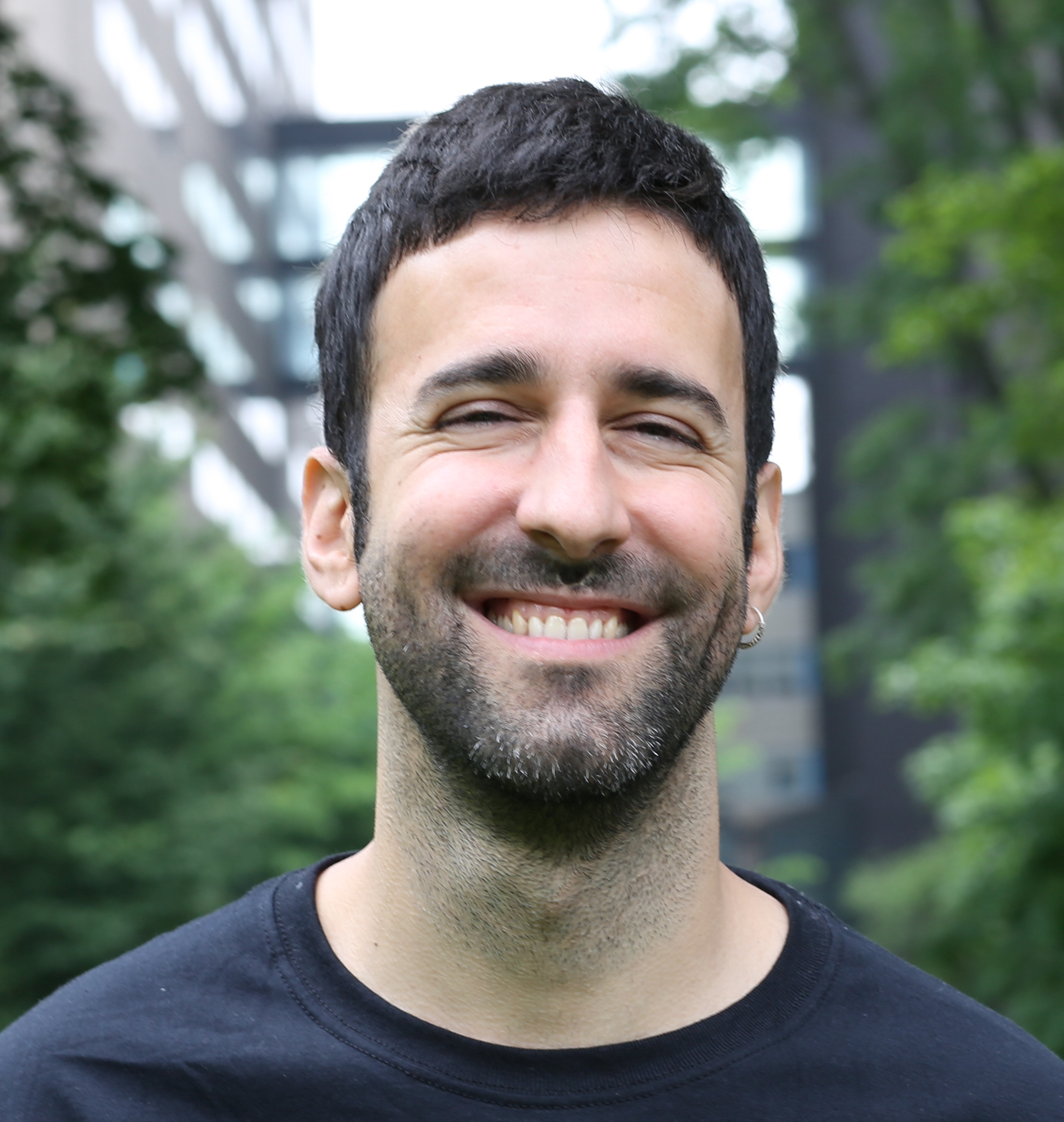
Jaume Taura, PhD
Postdoctoral Fellow
Univ. of Barcelona, PhD in Biomedicine
Jaume.TauraIglesias@mssm.edu
Project: Investigating the neuronal activity and neurotransmitter release in the reward circuitry during alcohol intake, using fiber photometry to measure fluorescence in freely moving animals that express genetically encoded calcium and neurotransmitter indicators.

Lailun Nahar, PhD
Postdoctoral Fellow
Louisiana State University Health Science Center, Shreveport, PhD in Neuroscience
lailun.nahar@mssm.edu
Project: Investigating the role of neuropeptides in behavior using recently developed neurotechnology tools.
Recognitions
2023
- Congratulations to Dr. Glaaser, Schlessinger and Slesinger for being awarded a new R21 grant, entitled “Identifying new astrocytic Kir4.1 channel modulators for treating Huntington’s Disease“
2022
- Congratulations to Dr. Isabel Gameiro-Ros for being selected a Scholar in the NYSTEM Training Program in Stem Cell Biology
- Congratulations to Dr. Lailun Nahar for being selected for the Postdoctoral T32 Training Program in Substance Use Disorders at Mount Sinai
2021
- Congratulations to Michael Fernando for being selected for the HHMI Gilliam Fellowship. Co-mentored by Drs. Paul Slesinger and Kristen Brennand.
2020
- FBI Pilot Grant awarded to Drs. Roger Clem and Paul Slesinger to study Neuropeptide signaling by prefrontal interneurons in fear memory encoding
- Congratulations to Iya Prytkova for being awarded a National Research Service Award (NRSA) in 2019 from NIAAA for Elucidating the Role of KCNJ6 in a Human Neuronal Model of Alcohol Use Disorder
2018
- Congratulations to Dr. Xiaofan Li for being awarded a 2018 Young Investigator NARSAD grant.
- Dr. Paul Slesinger is the recipient of the Lillian and Henry M. Stratton Professor of Neuroscience Chair
2015
- Congratulations to Robert Rifkin for being awarded a National Research Service Award (NRSA) F30 predoctoral fellowship from NIDA
- Congratulations to Dr. Ian Glaaser for being awarded a National Research Service Award (NRSA) F32 postdoctoral fellowship from NIAAA.
Funding







Positions
We are always looking for new team members to join the Slesinger Lab. The Icahn School of Medicine at Mount Sinail is one of the nation’s leading medical schools, ranked in the top 20 schools for NIH funding. The Nash Family Department of Neuroscience at the Icahn School of Medicine is ranked number one in NIH funding. The Department offers an outstanding intellectual and multidisciplinary research environment with a commitment to translational research.
Candidates should have a Ph.D. or M.D and a strong background in molecular/cellular neuroscience. Interested candidates should submit their Cover Letter, Curriculum Vitae and contact information for at least three professional references.
Materials should be emailed as a single PDF file to:
Dr. Paul A. Slesinger
Lillian and Henry M. Stratton Professor of Neuroscience
Director, Center for Neurotechnology & Behavior
paul.slesinger@mssm.edu