Research

Research in our laboratory focuses on dementia (Alzheimer’s disease & frontotemporal dementia) and addiction (alcohol use disorder (AUD)). In each of these projects our goal is to understand the molecular basis of disease in order to identify novel targets for therapeutic development. 
 
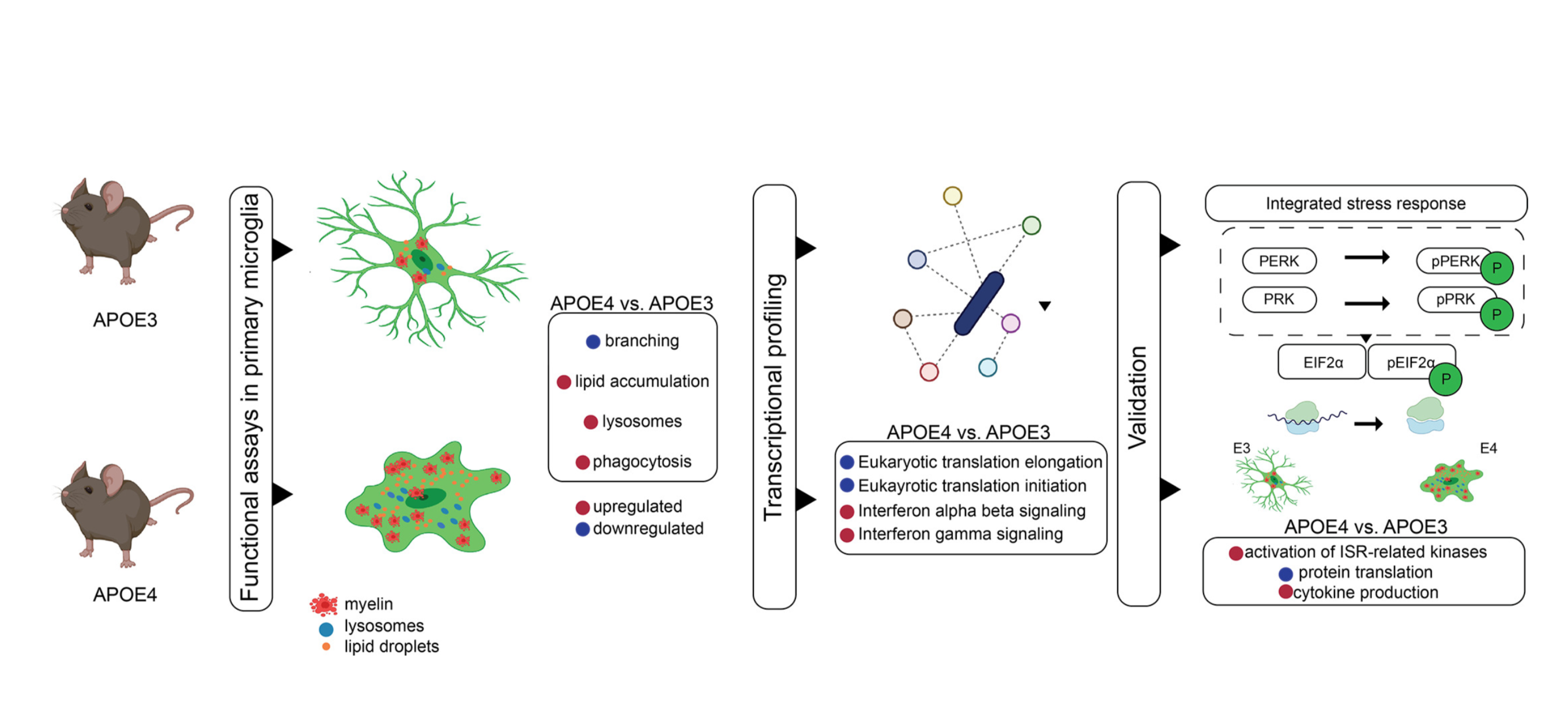
Alzheimer’s disease (AD): We use genetic and genomic approaches to identify susceptibility alleles, this work includes genome wide association studies (GWAS) and whole genome/exome sequencing in families multiply affected by disease and in case control cohorts. Since 2013 and the discovery of TREM2 as an AD risk factor (Guerreiro et al., 2013: PMID 2315094) we have focused on the role of myeloid cells in the genetics of AD. Using an integrative genomic approach we have identified a network of AD risk genes regulated by SPI1 another AD risk gene (Huang et al., 2017: PMID: 28628103) and demonstrated that these gene are enriched in microglial pathways connected to efferocytosis (the uptake and clearance of lipid rich debris) (Novikova et al., 2021:PMID: 33712570). We are using similar approaches to identify other gene regulatory networks important in regulating microglial transcriptional states. To validate these genetic findings we are using primary microglia and induced pluripotent stem cells (iPSCs) to model the effects of disease-associated variants in disease relevant cell types. We currently have ongoing projects to study SPI1 (Pimenova et al., 2021:PMID: 33301878); APOE (Machlovi et al., 2022: PMID: 35031484; TCW et al., Cell in press: biorxivMS4A4A/MS4A6A and EED. To complement these in vitro studies we are using a xenotransplantation model to introduce human induced microglia into the mouse brain as well as studies to knock-down or increase expression of the cognate mouse genes in collaboration with Dr. Anne Schaefer. Finally, we are using this genetic knowledge to identify novel pathways and targets for the development of therapeutics for AD. We have ongoing projects to develop therapeutics mimicking knock-down of SPI1 and MS4A4A/MS4A6A.

Frontotemporal Dementia (FTD): We use stem cell and genomic approaches to study autosomal dominant causes of tauopathy such as mutations within the MAPT gene. Using crispr genome editing and differentiation of isogenic lines into forebrain organoids we have developed a system that shows age dependent neurodegeneration and recapitulates the selective neuronal vulnerability seen in people with FTD (Bowles et al., 2021:PMID: 34314701).  Single cell and bulk RNAseq have identified key pathways that become progressively dysregulated as the organoids age. A second project focused on tauopathies uses an integrative genomics approach to understand the differential risks for sporadic tauopathies associated with the H1/H2 haplotypes. These haplotypes differ from one another by a 1Mb inversion of chromosome 17q21.31. We are using brain tissue and iPSC cultures to determine how this inversion influences chromatin structure and gene expression/regulation to understand how these differences lead to changes in disease risk.
 
Alcoholism: Interestingly, our GWAS in alcoholism have identified shared genetic risk with neurodegenerative disease including SPI1 and the MAPT locus (Kapoor et al., 2021: PMID: 34417470). Our functional analyses are aimed at validating these and other genes identified in the genetic studies. One ongoing collaboration with the Slesinger lab seeks to understand how the potassium channel GIRK2, encoded by KCNJ6 influences alcoholism risk using iPSC-derived neurons. 

Contact us

Goate Laboratory
Alison M Goate, DPhil
Jean C. & James W. Crystal Professor and Chair
Director, Ronald M. Loeb Center for Alzheimer’s disease
Dept. of Genetics & Genomic Sciences,
Icahn Genomics Institute
Icahn School of Medicine at Mount Sinai

Location
Lab: ICAHN 10-52
Office: ICAHN 10-70C
Phone
Office: 212-659-5672
Email:alison.goate@mssm.edu
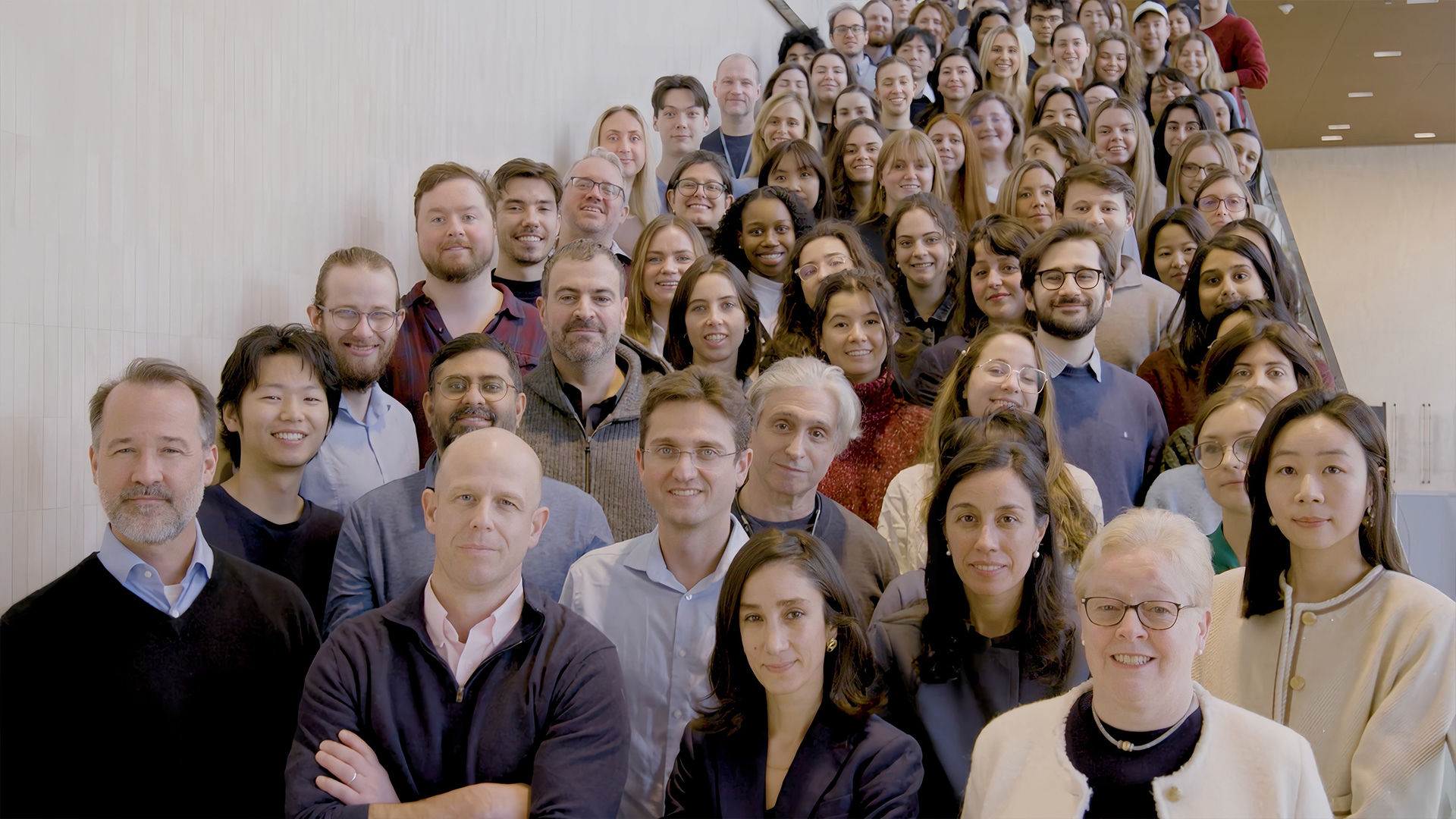
Team
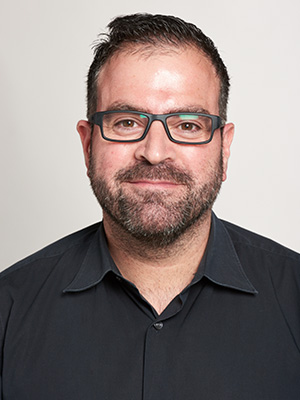
Edoardo M Marcora, PhD
Professsor
edoardo.marcora@mssm.edu
Alan E Renton, PhD
Assistant Professor
alan.renton@mssm.edu
Bartek Jablonski
Associate Director
bartek.jablonski@mssm.edu

Ellie Zhang
Executive Assistant
ellie.zhang@mssm.edu
Charlotte Labrie-Cleary
Lab Manager
charlotte.labrie-cleary@mssm.edu

Brian Fulton-Howard, Ph.D
Senior Scientist
brian.fulton-howard@icahn.mssm.edu

Ania Podlesny-Drabiniok, PhD
Instructor
anna.podlesny-drabiniok@mssm.edu

Tulsi Patel, PhD
Instructor
tulsi.patel2@mssm.edu
Carmen Romero-Molina, PhD
Instructor
carmen.romeromolina@mssm.edu
Francesca Garretti, PhD
Postdoctoral Fellow
francesca.garretti@mssm.edu

Chiara Pedicone, PhD
Postdoctoral Fellow
chiara.pedicone@mssm.edu

Hyo Lee, PhD
Postdoctoral Fellow
hyo.lee@mssm.edu

Michael Sewell, PhD
Postdoctoral Fellow
michael.sewell@mssm.edu

Hamilton Oh, PhD
Postdoctoral Fellow
hamilton.oh@mssm.edu

Alexandra E. Münch
Graduate Student
alexandra.munch@icahn.mssm.edu
Grace Peppler
Graduate Student
grace.peppler@icahn.mssm.edu

Nicholas Church
Graduate Student
nicholas.church@icahn.mssm.edu

Jeanne Kim
Graduate Student
jeanne.kim@icahn.mssm.edu

Alexander Frank
Graduate Student
alexander.frank@icahn.mssm.edu

Sun Hao
Graduate Student
hao.sun@icahn.mssm.edu

Danielle Picarello
Associate Computational Scientist
danielle.picarello@mssm.edu

Anthony Walley
Associate Researcher
anthony.walley@mssm.edu

Joshua Orrick
Associate Researcher
joshua.orrick@mssm.edu

Jae-Won Jang MD, PhD
Visiting Scholar
jaewon.jang@mssm.edu

Yuanyi Dai
Postdoctoral Fellow
yuanyi.dai@mssm.edu

Publications

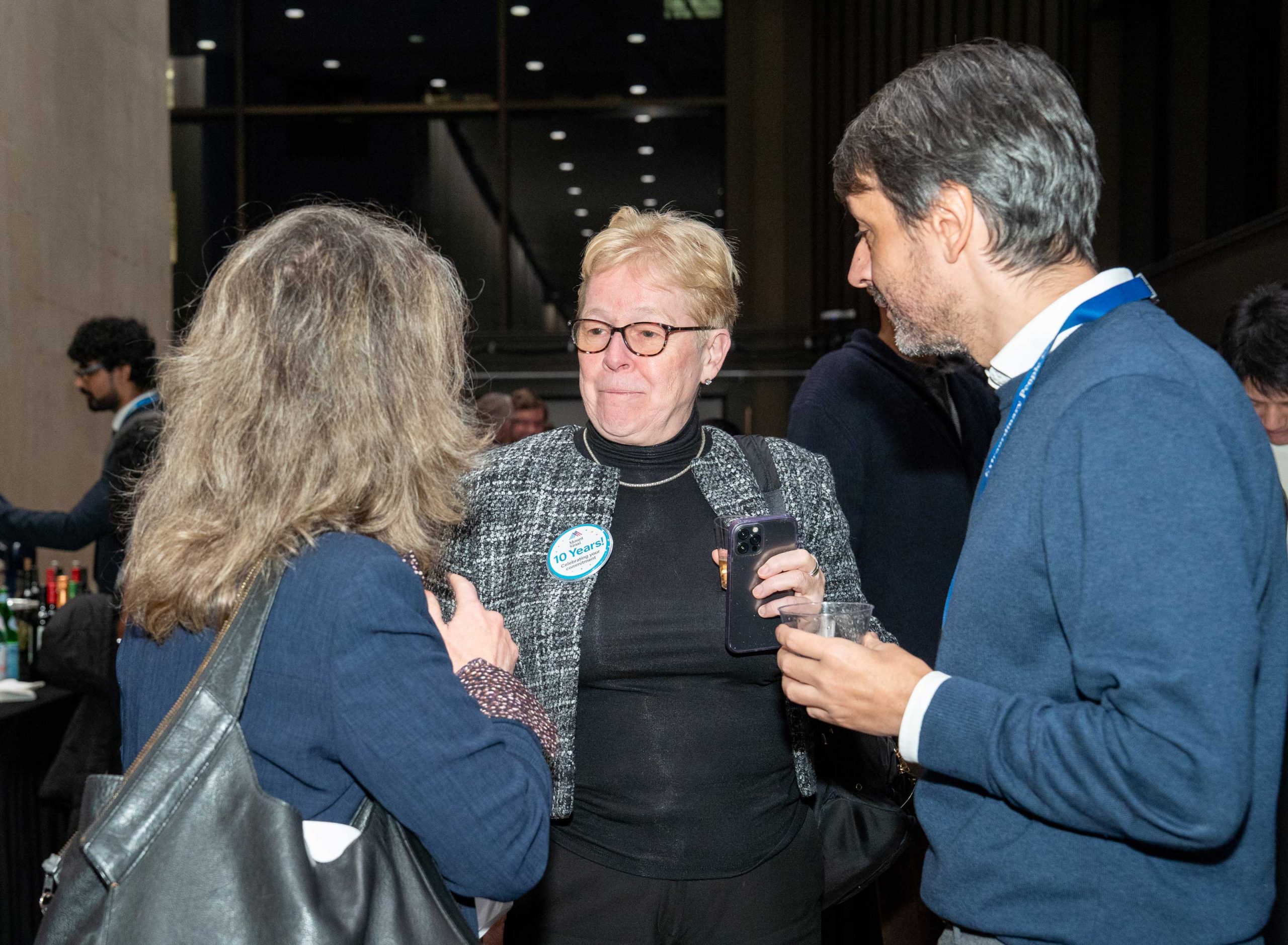
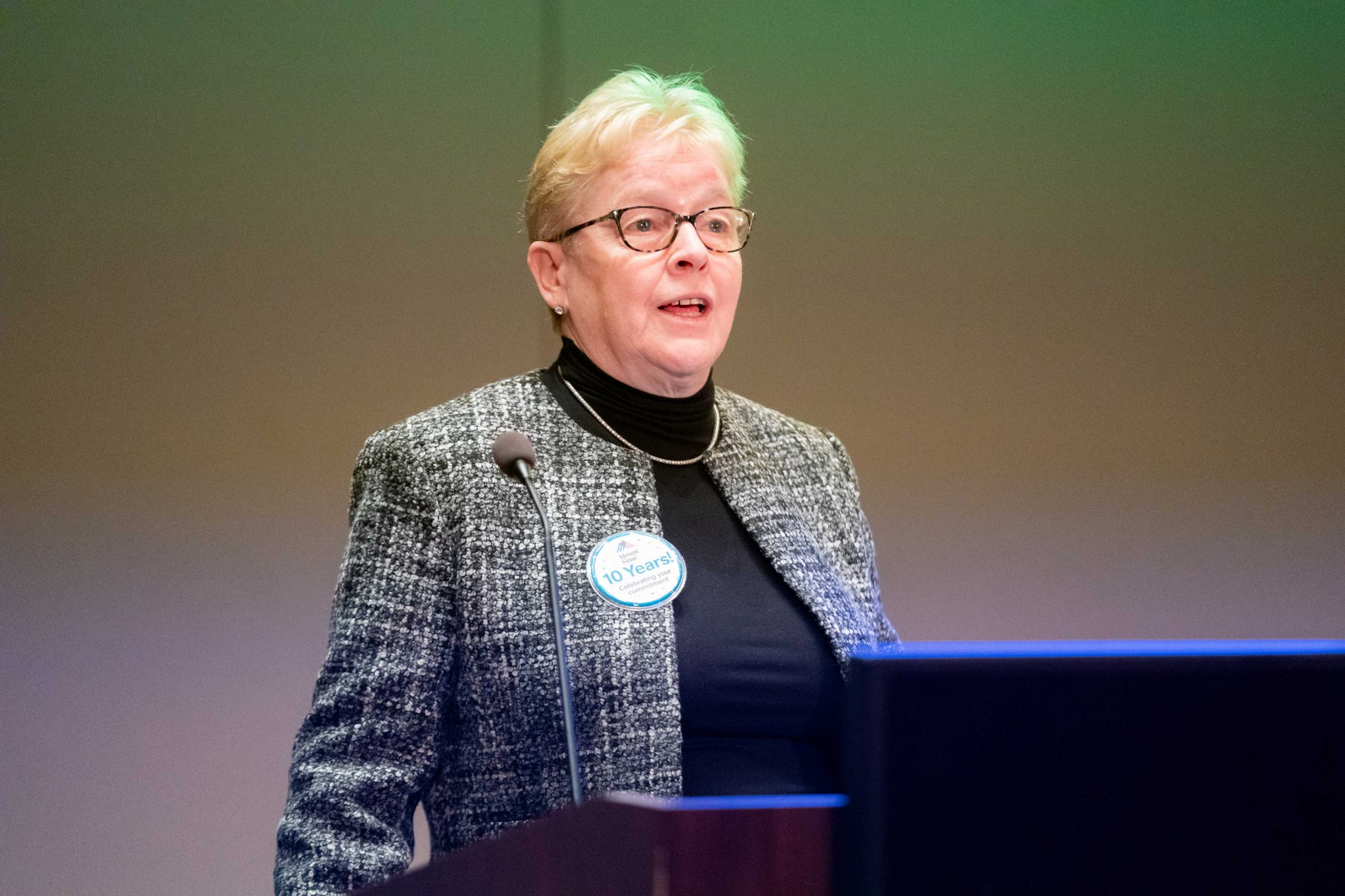
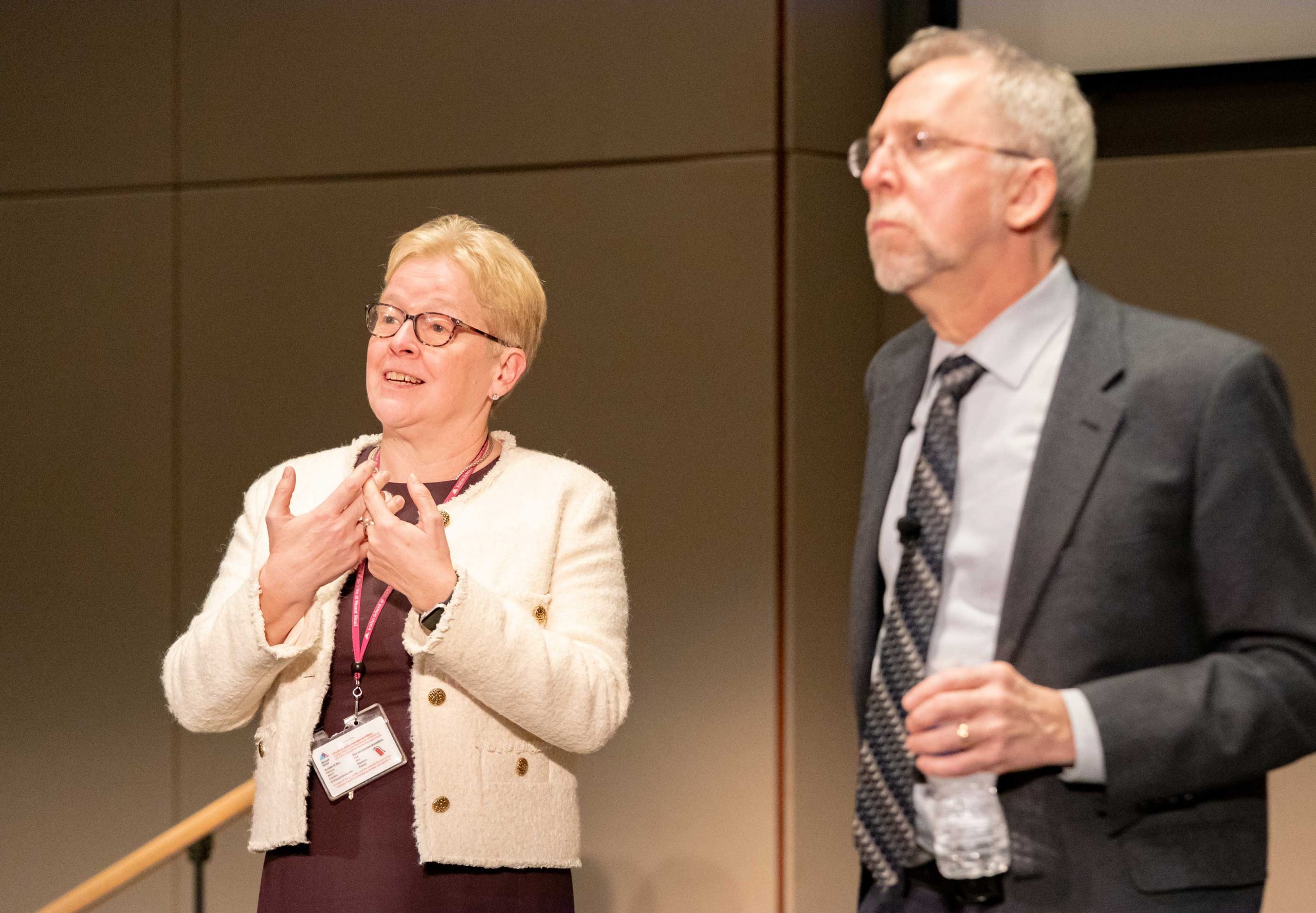
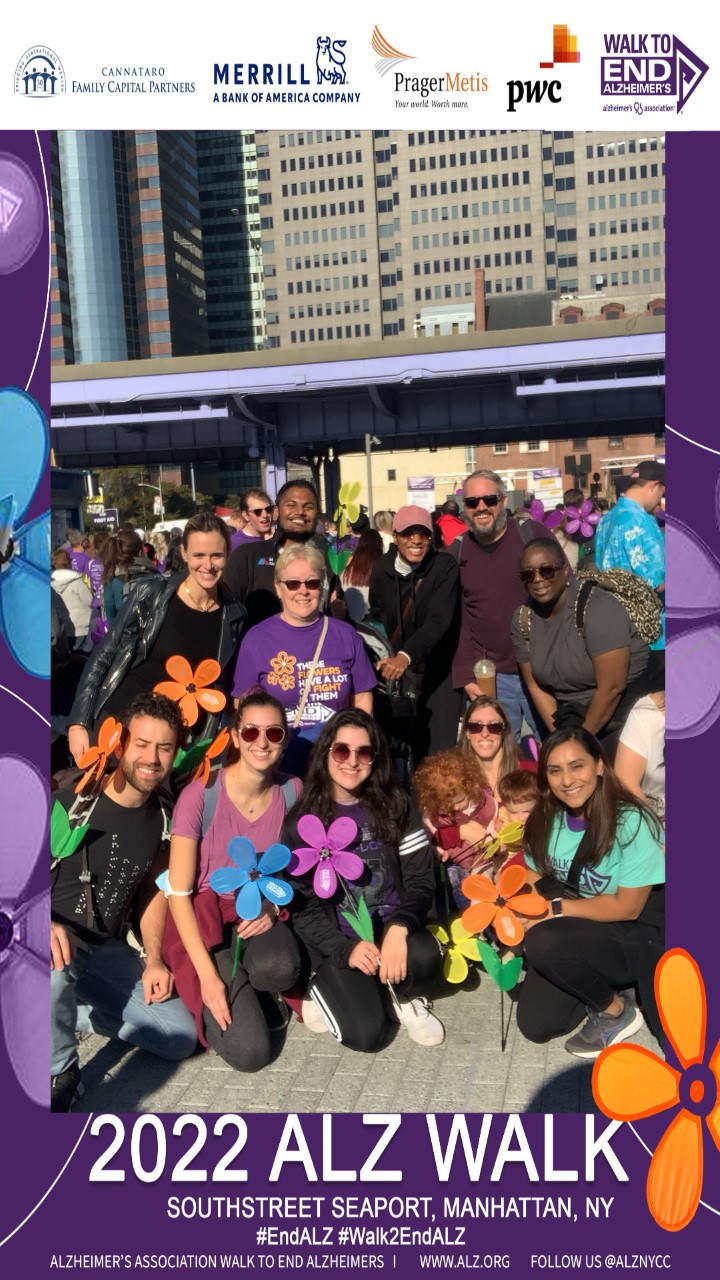
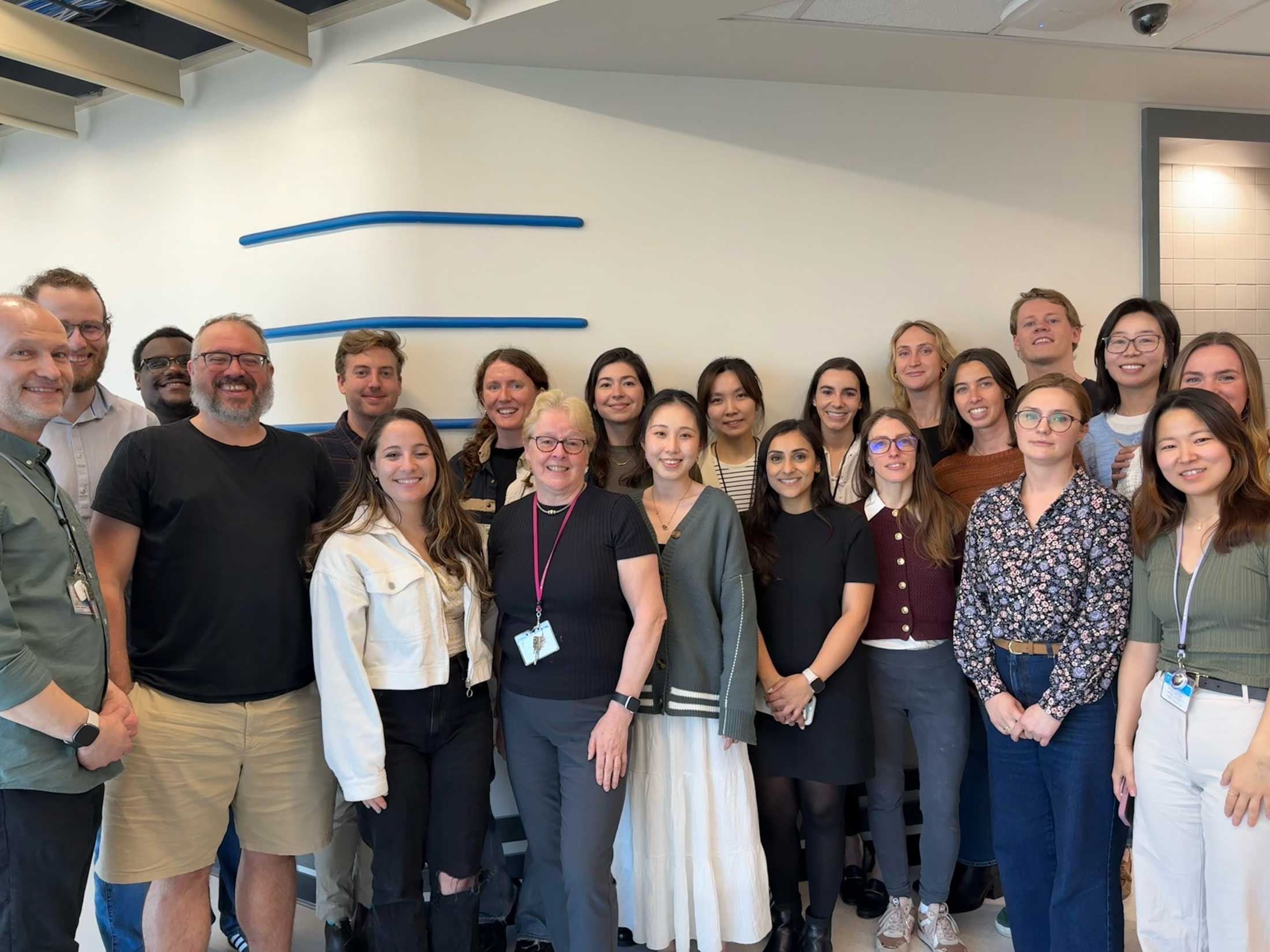
Goate Lab Gatherings
News
An Important Test for the Amyloid Hypothesis — November 4, 2016

Merck’s Director of Neuroscience Matthew Kennedy shares why these early results have him feeling hopeful. He is joined by Alison Goate, the director of the Ronald M. Loeb Center for Alzheimer’s Disease at Mount Sinai. Read More

Science Friday

Daily Checkup: Alzheimer's disease expert identifies risk factors — November 29, 2015

As the director of the Ronald M. Loeb Center on Alzheimer’s Disease at Mount Sinai, Dr. Alison Goate specializes in researching the disease’s basic mechanisms to improve our treatment options. November is National Alzheimer’s Disease Awareness Month. Read More

New York Daily News

Alzheimer's Association recognizes four scientists with Lifetime Achievement Awards at AAIC 2015 — July 21, 2015

The Alzheimer’s Association recognizes four leading scientists for their contributions to advancing Alzheimer’s disease and dementia research. The awards were presented during the opening session at the Alzheimer’s Association International Conference® 2015 (AAIC® 2015) in Washington, D.C. Read More

News Medical Life Siences and Medicine

Genetic markers found to predict Alzheimer's — April 5, 2013

Scientists have identified early genetic markers that can potentially predict who is at an increased risk for developing Alzheimer’s, Medical Daily reported.Currently, in order to determine if someone will develop Alzheimer’s disease, doctors use tests that analyze the amount of Tau protein buildup in the central nervous system. The more Tau in an individual’s system, the more likely he or she will progress towards dementia. Read More

Fox News Health

Dr. Goate elected into the National Academy of Medicine

“Election to the National Academy of Medicine is considered one of the highest honors in medicine,” says Dennis S. Charney, MD, the Anne and Joel Ehrenkranz Dean of the Icahn School of Medicine at Mount Sinai. “The election of Drs. Goate and Richardson is a notable achievement and well-deserved recognition of each of their leadership efforts and important contributions to their particular fields of study.” Read More.

Huang et al. A common haplotype lowers PU.1 expression in myeloid cells and delays onset of Alzheimer's disease

A genome-wide survival analysis of 14,406 Alzheimer’s disease (AD) cases and 25,849 controls identified eight previously reported AD risk loci and 14 novel loci associated with age at onset. Linkage disequilibrium score regression of 220 cell types implicated the regulation of myeloid gene expression in AD risk. Read More.

TCW et al. An Efficient Platform for Astrocyte Differentiation from Human Induced Pluripotent Stem Cells.

Growing evidence implicates the importance of glia, particularly astrocytes, in neurological and psychiatric diseases. Here, we describe a rapid and robust method for the differentiation of highly pure populations of replicative astrocytes from human induced pluripotent stem cells (hiPSCs), via a neural progenitor cell (NPC) intermediate. Read More.

Pimenova et al. A Tale of Two Genes: Microglial Apoe and Trem2.

Microglial cell function is implicated in the etiology of Alzheimer’s disease by human genetics. In this issue of Immunity, Krasemann et al. (2017) describe a gene expression signature associated with an APOE- and TREM2-dependent response of microglia to brain tissue damage that accumulates in aging and disease, defining an axis that might be amenable to therapeutic targeting. Read More.

Alumni

Kathryn Bowles, PhD

Kam-Meng Tchou-Wong, PhD

Anna Pimenova, PhD

Shea Andrews, PhD

Julia TCW, PhD

Anastasia Efthymiou, PhD

Saima I. Machlovi, PhD
Manav Kapoor, PhD

Laura-Maria Oja

Franco Abbate, PhD

Gloriia Novikova, PhD

Benjamin Jadow

Rozhan Khaleghi

Riana Khan

Bianca T. Esposito

Jo-Anne Elikann

Sarah Neuner, PhD

Joseph Kakkis

Jessica Schulman

Yiyuan Liu, PhD

Rose Temizer

Travyse Edwards

Iya Prytkova

Nadia Harerimana

Alisha Aristel

Manon Herbinet

Wen Yi See
Marcelina Ryszawiec
Sarah Weitzman