
Research Background:
The O’Loughlin Lab explores the organization and compartmentalization of metabolic homeostasis across scales – from subcellular organelles to the whole organism. We are particularly interested in how cells sense and respond to their environment through nutrient-sensing hubs like mTOR, and how these pathways intersect with antioxidant biology and regulated cell death (such as ferroptosis).
By leveraging a multidisciplinary toolkit – including functional genomics (CRISPRi/a), proteomics, metabolomics, and biochemistry – we aim to uncover targetable vulnerabilities in diseases driven by metabolic dysfunction. Our work has broad implications for:
• Oncology: Exploiting metabolic dependencies in cancer cells.
• Neurodegeneration: Understanding oxidative stress in neurological disorders.
• Aging: Identifying mechanisms that maintain cellular integrity over time.
Current projects:
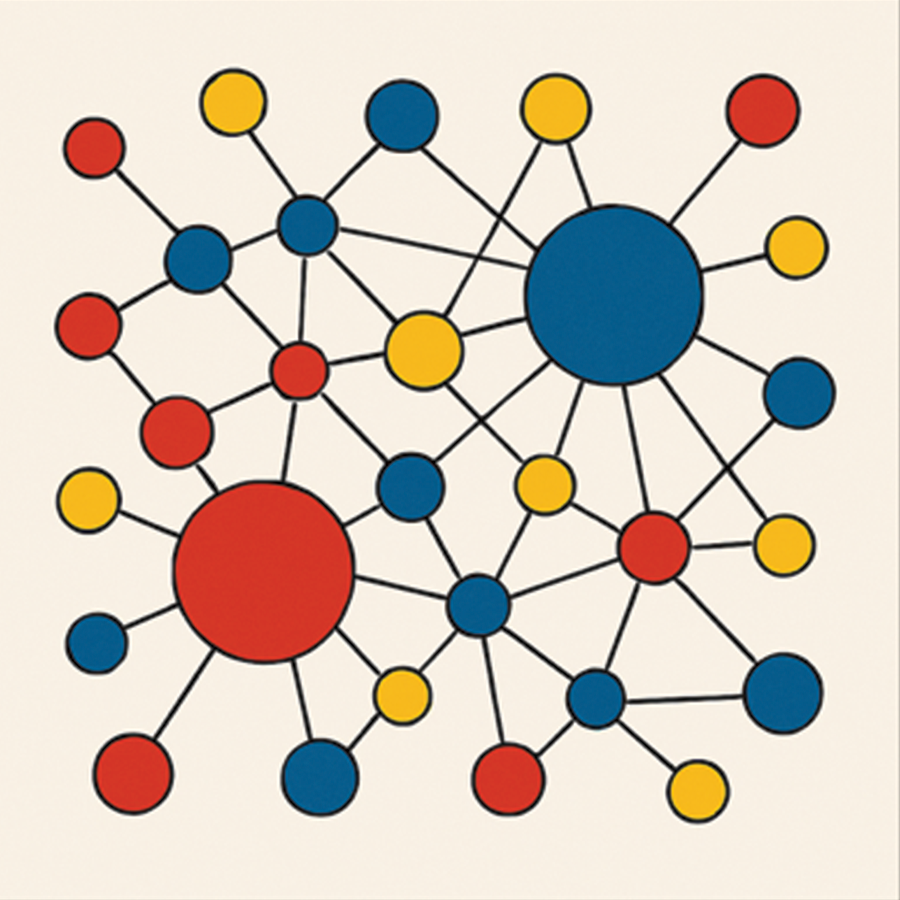
Genetic Interactions in the mTOR Network:
We utilise functional genomics to map the unique genetic architectures of nutrient-sensing pathways across diverse biological contexts. Our research has a particular focus on how these genetic interactions vary between tissues and cell types to dictate metabolic flexibility and disease susceptibility. By validating these networks in physiologically relevant in vivo models, we aim to uncover how context-specific mTOR signalling maintains organismal homeostasis or drives pathological states.

Antioxidant Biology and Cell Death:
We examine the function of protein and small-molecule antioxidants and their roles in modulating regulated cell death pathways. Our research focuses on defining how these systems regulate susceptibility to iron-dependent cell death (ferroptosis) within the physiological context of living tissues. By utilizing in vivo models, we aim to understand how the systemic metabolic environment dictates antioxidant defence mechanisms and disease outcomes in cancer, neurodegeneration, and aging.
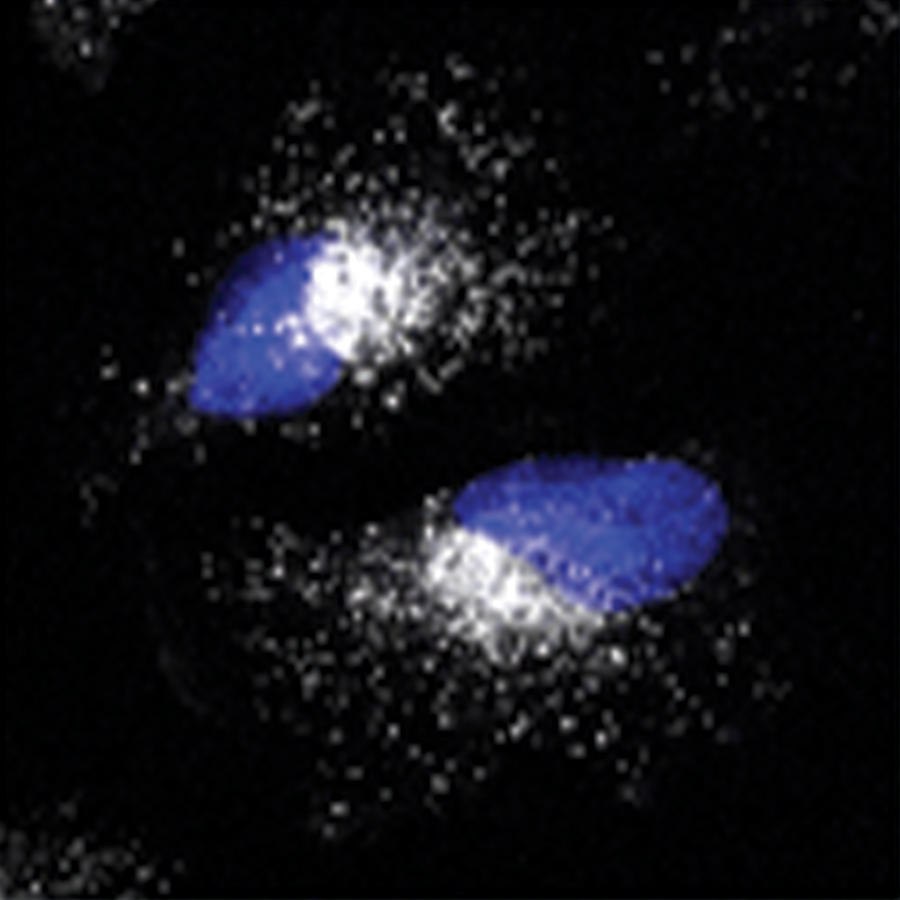
Endocytic Trafficking for Theranostics:
We leverage the cell’s internal transport machinery to develop smart drugs and drug delivery systems. By engineering ligands that exploit specific endocytic pathways, we aim to develop improved therapeutics and delivery platforms to treat complex diseases.
Team
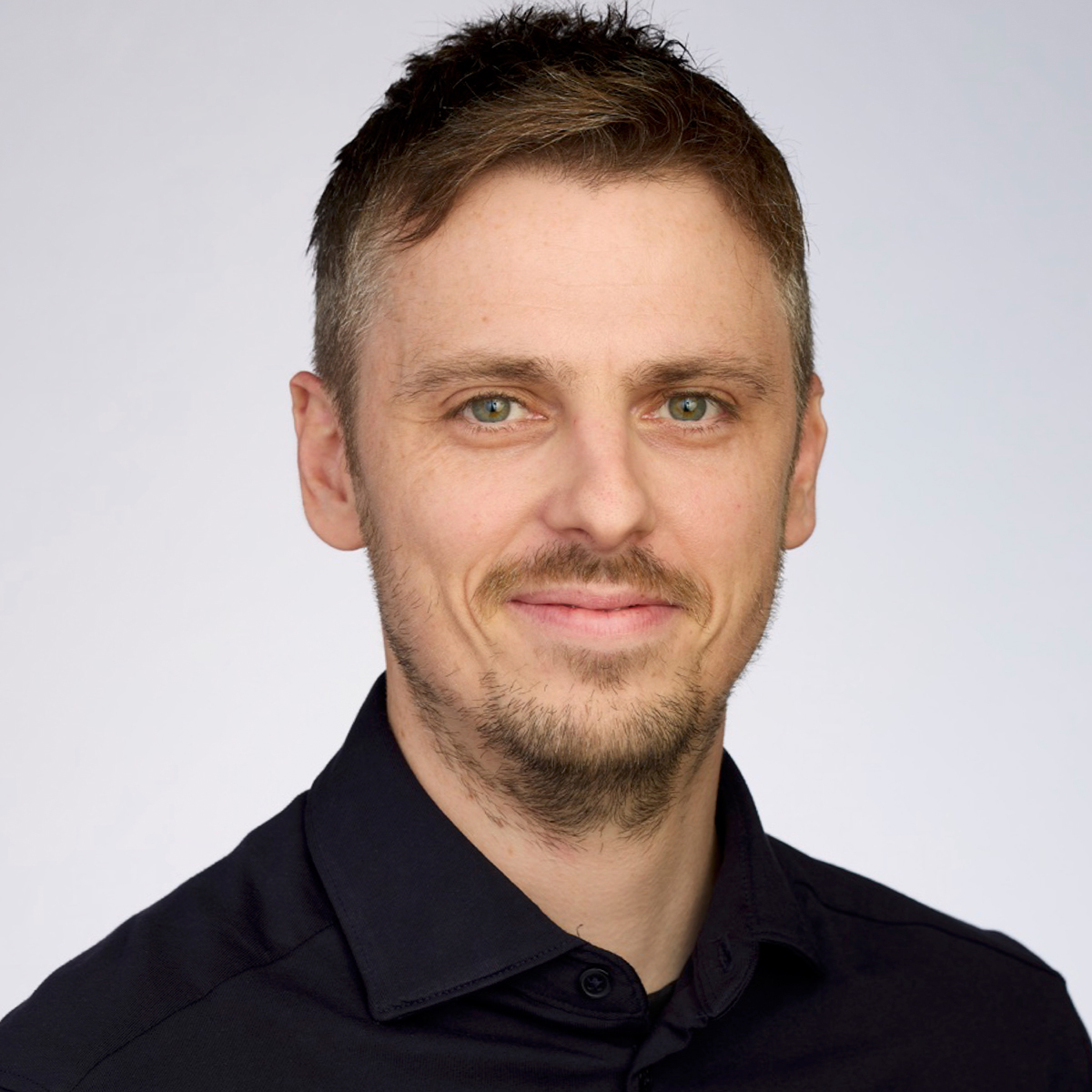
Thomas O’Loughlin
Assistant Professor
thomas.oloughlin@mssm.edu
Office: Hess 10-109
Lab: Hess 10-302

Pritika Acharya
Associate Researcher
pritika.acharya@mssm.edu
Publications


Join Us
We are always looking for motivated individuals to join our team. If you are interested in our research, please reach out to thomas.oloughlin@mssm.edu to discuss potential opportunities.